
























Watch one short ad and play ad-free for 30 minutes.
Temple Run 2
Imangi Studios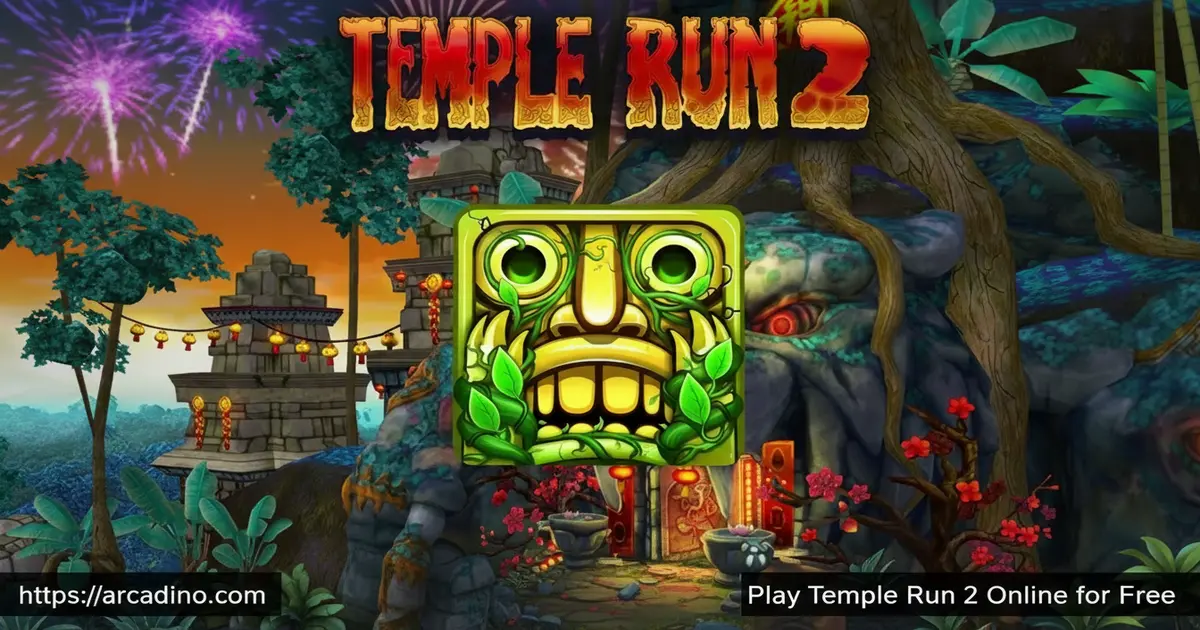
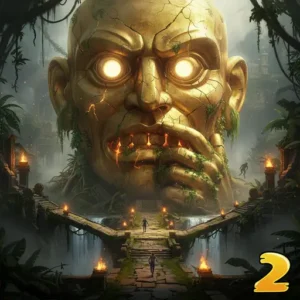
You stole the golden idol. Now run. Temple Run 2 throws you straight into a heart-pounding escape through temples, forests, and crumbling cliffs. It’s completely free to play online, and you don’t need to install anything to get started. This endless runner from Imangi Studios took the original game’s formula and cranked everything up — faster speeds, new terrain, and a whole lot more ways to wipe out. 😅 If you’ve ever wondered how far you could push your reflexes, this is your answer.
- Infinite jungle escape — dodge obstacles across temples, zip-lines, mines, and narrow bridges
- Evil Demon Monkeys — the main antagonists who relentlessly chase you to reclaim the cursed idol
- Power meter system — fill it with coins, then double-tap for a speed and invincibility burst
- Upgradeable abilities — improve your Shield Duration, Coin Magnet, and Boost Distance over time
What Is Temple Run 2?
Temple Run 2 is an infinite runner game developed by Imangi Studios. It’s the direct sequel to the original Temple Run, and it’s also the third installment in the overall Temple Run series — the second being Temple Run: Brave, a spin-off released in 2012 in partnership with Disney Pixar. Your character has swiped a cursed golden idol from an ancient temple, and a pack of Evil Demon Monkeys is right behind you. The goal is brutally simple: keep running as far as possible without getting caught or wiped out.
What makes this title stand out from other endless runners is the sheer variety of environments it throws at you. You’re not just sprinting down a single straight path — you’re leaping over gaps, ducking under barriers, riding zip-lines, and sprinting through mine tunnels. The visuals mix Asian-style temple architecture with lush forest paths, rivers, and crumbling aqueducts. The browser version loads quickly, and the swipe-style controls translate well to keyboard inputs without feeling sluggish.
Temple Run 2 Gameplay — The Core Loop
Every run in Temple Run 2 starts with your character bolting out of the temple gates at full speed. You swipe up to jump, swipe down to slide, and tilt or swipe left and right to turn sharp corners. Obstacles come fast — logs, fire barriers, broken bridges — and missing one ends your run instantly. The demon monkeys are always right behind you, which makes every near-miss feel genuinely tense.
Coins are scattered along every path, and collecting them is how you fuel your progress. Fill the Power Meter in the upper-left corner, and when it glows green, double-tap anywhere to trigger a temporary speed boost and invincibility. The run only ends when your character smashes into a large obstacle, falls into the water, or gets overtaken by the demon monkeys. There’s no finish line — this game is a pure test of how long you can survive.
Levels, Maps, and Progression in Temple Run 2
Unlike games with set stages, Temple Run 2 uses a goal-based progression system. You can work on three goals at any one time, and completing them is how you push your score multiplier higher. One method to raise the multiplier is buying the Score Multiplier upgrade with coins. The other is grinding through those goal completions run after run.
The game features several distinct maps to run through, including Sky Summit, Frozen Shadows, Blazing Sands, and Lost Jungle. Each one has its own visual style and obstacle layout, which keeps the experience from feeling repetitive. Unlocking new maps gives long-term players a fresh challenge to work toward. The variety across these environments is one of the biggest reasons this title keeps pulling runners back.
Daily Totems, Challenges, Perks, and Artifacts
Temple Run 2 has more going on under the hood than just goals. Daily Totems are collectible bonuses you can pick up each day — they give you a head start on coins, power-ups, or other rewards without spending anything. Challenges are special short-term objectives that sit on top of your regular goals, and completing them earns extra rewards fast. Perks are temporary boosts you can equip before a run to give yourself an edge, like starting with a full Coin Magnet or a pre-charged Power Meter. Artifacts are rare collectibles scattered across runs that unlock lore and bonus content tied to each map. Together, these systems create a daily reason to keep coming back even after you’ve maxed out your core upgrades.
Customization and Upgrades
Temple Run 2 gives you a real sense of progression through its upgrade system. You spend the coins you collect during runs to improve your character’s abilities in the Abilities menu. Upgrades include Shield Duration, Coin Magnet, and Boost Distance — each one making your future runs a little more forgiving.
You can also unlock additional characters beyond the default runner. New characters are unlocked by spending coins or gems in the character menu, and some are tied to seasonal events or special milestones. Each character is purely cosmetic — they run the same way — but collecting them is a fun long-term goal that keeps things fresh. It’s satisfying to finally unlock a character you’ve been saving up for over dozens of runs.
The Head Start feature lets you begin a run already at speed, costing 2,500 coins by default. Upgrade it and the price drops to 2,000 coins; the Mega Head Start version costs 7,500 coins. If you die mid-run, the Save Me option lets you continue by spending gems — one gem the first time, with the cost doubling each time you use it in the same run. A bonus spin wheel sometimes appears after using Save Me, offering coins, power-ups, or even rare gems.
Power-ups in Temple Run 2
Separate from the upgrade system, Temple Run 2 has collectible power-ups that appear as glowing icons along the path during a run. Each one activates automatically the moment you run through it, giving you an instant in-run advantage. Here’s what each one does:
- Coin Magnet — pulls all nearby coins toward you automatically so you don’t have to steer into every single one.
- Shield — wraps your character in a protective bubble that absorbs one obstacle hit before breaking, giving you a free pass on a single mistake.
- Boost — launches your character into a temporary speed surge with invincibility, similar to triggering the Power Meter but without needing a full charge.
- Mega Coin — drops a single oversized coin worth a big chunk of currency, great for filling your Power Meter quickly in the early part of a run.
You can upgrade how long each of these power-ups lasts in the Abilities menu using coins. Levelling up your Coin Magnet duration first is usually the smartest early investment — more coins collected means faster Power Meter charges and quicker access to upgrades overall.
Seasonal Events and Updates
Imangi Studios keeps Temple Run 2 feeling fresh with regular seasonal events. The Holi Festival and St. Patrick’s Day events have both returned in recent versions, bringing extra color and themed content to the game. Earth Day has also been celebrated with exclusive unlockable items like the Spring Hat. These events give veteran players new reasons to log in even after hundreds of runs.
Special event modes like Temple Run 2: Holi Festival and Temple Run 2: Frozen Shadows offer themed variations on the core experience. Championship events post your best run score to a leaderboard so you can compare your distance against other players — this is an asynchronous competition where you race against posted scores, not against live opponents in real time. The game’s live content updates mean there’s almost always something new happening if you check in regularly.
How to Play Temple Run 2
Getting into Temple Run 2 takes about ten seconds. Head to arcadino.com, find the game, and hit play — it runs straight in your browser. There’s no account needed and no waiting around for a download to finish. Your first run will probably be short, but the controls click into place fast once you feel the rhythm.
The key is learning when to react, not just how to react. Obstacles appear at speed, so training your eyes to read the path ahead gives you a huge advantage. Collecting coins isn’t just a bonus — it’s how you build toward upgrades that make every future run better. Set a distance goal on your first few runs and try to beat it each time.
Temple Run 2 Controls
On mobile, swipe up to jump, swipe down to slide, and swipe left or right to change direction at corners. Tilt your device to steer between coin lanes while running straight. On browser, use the arrow keys or WASD to move and turn, with the spacebar or up arrow to jump. Double-tap (or press the designated key) when the Power Meter glows green to activate your boost.
Browser Version vs. Mobile App — Which Should You Play?
Both versions of Temple Run 2 are free, but they feel a little different in practice. The browser version at arcadino.com is the fastest way to start — no download, no account, and it works on almost any device including school Chromebooks. Controls shift from touch swipes to keyboard keys, which takes a few runs to get used to, but turning with arrow keys is precise once it clicks. The official mobile app on iOS and Android uses touch swipes that feel closer to the original design, and swipe controls give you slightly more fluid steering between coin lanes. The mobile app is also where all seasonal events and Championship modes are guaranteed to be available, since Imangi pushes live updates directly to the app. Your upgrade progress and coins are tied to your device or account on mobile but won’t carry over to the browser session, so treat them as separate save files. If you’re at school or on a shared computer, the browser version is perfect; if you want the full seasonal experience and want your progress saved, the mobile app is the better long-term home.
Tips and Tricks for Temple Run 2
- Jump early at ledge edges: The source data confirms jumping a moment before you reach the edge of a cliff gives you better clearance — don’t wait until the last pixel.
- Fill the Power Meter first: Prioritise coin collection in the early part of a run so your power boost is ready when the obstacles get harder.
- Time double-jumps carefully: Some obstacles require a double jump — practice the timing so you clear them cleanly instead of clipping the edge.
- Complete stage goals consistently: Finishing your three active goals is the most reliable way to raise your Score Multiplier without spending coins.
- Save your gems wisely: The Save Me cost doubles with each use in a single run. Use it only when you’ve had an unusually strong run — don’t burn gems on short distances.
How to Farm Gems Without Spending Money
Gems are the premium currency in Temple Run 2, but you don’t need to buy them. The most reliable free method is completing Daily Challenges — these short objectives reset every day and often reward one or two gems on completion. Levelling up your overall player rank by completing batches of goals also drops gems as a milestone reward. The bonus spin wheel that sometimes appears after using Save Me can land on gems too, so it’s worth paying attention to. Some seasonal events hand out gems as participation prizes just for logging in and running during the event window. If you’re patient and consistent, you can build up a solid gem reserve over a few weeks without ever opening your wallet — more than enough to fund Save Me uses on your best runs.
Score Multiplier Priority Guide
Your Score Multiplier is the single biggest lever for climbing the leaderboard, and most players ignore it too long. The fastest goals to knock out in early runs are coin-collection objectives — goals like “collect 500 coins in one run” can be done in a single attempt if you steer into every lane. Distance goals take longer because you have to survive first, so save those for when your abilities are levelled up. The strategic move is to prioritize completing all three active goals before spending any coins on ability upgrades — every goal completion pushes your multiplier up, and a higher multiplier means every meter you run is worth more points automatically. Once your multiplier is solid, then invest in Coin Magnet duration so you earn coins faster, which funds further upgrades. Players who skip straight to ability upgrades often plateau at low scores because their multiplier is still at 1x or 2x — fix the multiplier first, and the scores will follow naturally.
Common Mistakes Beginners Make (And How to Fix Them)
Most early runs end the same way, and recognising the pattern is the fastest way to improve. The first common mistake is turning too late on sharp bends — the path signals a corner with a curve in the distance, and most beginners wait until they’re nearly at the wall before swiping. Fix it by swiping the moment you see the bend start to appear, not when the wall fills the screen. The second common mistake is jumping too early on zip-line transitions — players see the platform end and jump out of habit, but zip-lines require you to swipe up at the exact launch point, and jumping early sends you off the edge instead. Watch for the zip-line icon and wait a half-beat longer than feels natural. The third mistake is mistiming slides under fire barriers — fire barriers are low and fast, and players often slide too late and take a hit. Count the gap between the barrier and your character and slide one full stride earlier than instinct tells you. These three fixes alone will double the average beginner’s run distance within a few sessions.
Key Features of Temple Run 2
- Multiple distinct maps: Sky Summit, Frozen Shadows, Blazing Sands, and Lost Jungle each offer a unique visual environment and obstacle set.
- Power Meter boost system: Collect coins to charge it, then double-tap for a temporary invincibility and speed surge at just the right moment.
- Three-goal progression system: Work on three objectives at once to climb your Score Multiplier and unlock better upgrades.
- Live seasonal events: Holi Festival, St. Patrick’s Day, and Earth Day events bring limited-time content and exclusive unlockables.
- Head Start and Save Me mechanics: Spend coins to launch with momentum or spend gems to survive a collision — both are upgradeable to reduce their cost.
Where to Play Temple Run 2
You can play Temple Run 2 free in your browser right now at arcadino.com. The game runs without any download or account setup, and it’s accessible without restrictions on the site. Whether you’re on a school Chromebook or a home PC, the browser version holds up well and doesn’t require a powerful machine.
For mobile play, the official app is available on both major platforms. Grab it on Android from the Google Play Store or on iPhone and iPad from the App Store. Always download from these official stores — unofficial APK files from random websites can carry malware and should be avoided. The official app also receives the seasonal event updates that keep the game fresh.
For Parents
Temple Run 2 is a great fit for kids aged 8 and up. The cartoon-style demon monkeys and obstacle crashes are mildly intense but not frightening — there’s no blood or violence. The game does include in-app purchases for gems and upgrades, so it’s worth setting up purchase controls if younger children are playing on a shared device.
There’s no real-time chat or live interaction with other players. The Championship leaderboard feature lets players compare their best run scores against others, but this is purely asynchronous — your child is competing against posted scores, not communicating with anyone directly, which makes it a safe solo experience. The goal-based progression system does encourage strategic thinking — players learn to prioritize objectives and manage a limited resource (coins and gems) to improve their performance. Keeping runs to 10–15 minutes is easy since each attempt naturally ends on its own.
Similar Games to Temple Run 2
If the endless sprint through danger has you hooked, these other runners and arcade escapes are worth checking out:
- Temple Run — The original endless runner from Imangi Studios that started it all, featuring the same demon monkey chase but with the classic temple layout.
- Subway Surfers — A colorful endless runner where you dash through subway tracks, dodge trains, and collect coins while being chased by an inspector and his dog.
- Geometry Dash — A fast-paced rhythm runner where you tap to jump a cube through obstacle courses set to pumping music, with tight timing required at every step.
- Jetpack Joyride — A side-scrolling endless runner where you blast through a secret laboratory on a stolen jetpack, dodging lasers and missiles as you fly.
Love arcade-style running games? Explore more in the Running category.
FAQs About Temple Run 2
Who created Temple Run 2?
Temple Run 2 was developed by Imangi Studios. It was released for iOS on January 17, 2013, and for Android on January 31, 2013. Imangi Studios also created the original Temple Run and continues to update the sequel with seasonal events and new content.
Does Temple Run 2 ever end?
No — Temple Run 2 has no finish line. The game runs until your character hits a large obstacle, falls into water, or gets overtaken by the Evil Demon Monkeys. It’s a true infinite runner, so your personal distance record is the only real goal. Every run is a chance to beat your previous best.
What is the monster chasing you in Temple Run 2?
Evil Demon Monkeys are the main antagonists in Temple Run 2. They chase the player who stole the golden idol and will overtake you if you slow down too much or stumble on obstacles. They appear throughout both the original Temple Run and its sequel.
How does the Power Meter work in Temple Run 2?
Fill the Power Meter by collecting coins during your run. When the meter in the upper-left corner glows green, double-tap anywhere on the screen to activate a temporary speed and invincibility boost. You can upgrade your Boost Distance in the Abilities menu to make the effect last longer.
Can I play Temple Run 2 online for free?
Yes, Temple Run 2 is free to play in any web browser. You can play it on arcadino.com with no download and no account required. The mobile app is also free on the Google Play Store and the App Store, though it includes optional in-app purchases.
How do you get a higher score in Temple Run 2?
Complete your three active goals to raise your Score Multiplier — that’s the most powerful way to climb the leaderboard. You can also purchase the Score Multiplier upgrade directly with coins. Collecting coins and timing your power boosts well also helps you survive longer, which directly increases your final score.
Is Temple Run 2 the same as Temple Run 1?
Temple Run 2 is a sequel, not a remake — it adds new maps, the Power Meter system, zip-lines, and a revamped upgrade structure. The original Temple Run established the endless runner formula with demon monkeys and the cursed idol concept. Temple Run 2 keeps that core but expands on almost every system in the game.
Conclusion
Temple Run 2 earns its place as one of the defining endless runners by constantly giving you more to chase. The four distinct maps, the Power Meter burst mechanic, and the seasonal events mean there’s always a new personal record waiting to be broken. Imangi Studios built something that still holds up years after launch — and the browser version makes it easier than ever to jump in for a quick run.
Head to arcadino.com, pick a map, and see how far your legs — and your reflexes — can carry you before the demon monkeys catch up. Your first hundred meters won’t be your last.
Gameplay Video