











Logic games reward patience over reflexes. You read the board, weigh the rules, and find the one move that unlocks the rest. That’s what makes this corner of Arcadino special: every title here trains careful thinking instead of fast fingers. Kids ages 8 to 13 get genuine brain workouts wrapped in clean, friendly visuals. Parents get something rare online — challenges with no timers screaming at the screen and no surprise difficulty spikes. Whether it’s filling a Sudoku grid or untangling a stuck wooden block, the satisfaction comes from figuring it out yourself.
Why Play Logic Games on Arcadino?
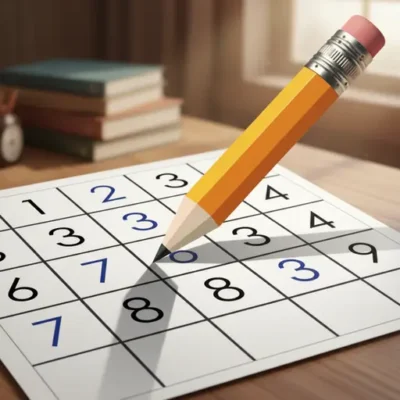
Our free logic games focus on pure reasoning. There’s no enemy chasing you and no health bar ticking down. Classics like Sudoku teach kids to scan rows and columns for the missing number. Unblock Me turns a parking jam into a sliding-block puzzle that demands a few moves of foresight. Color-sort favorites such as Water Sort Puzzle and Liquid Sort feel calming but quietly drill planning skills. Each round ends with a small “aha” moment, and that’s the hook that keeps brains coming back.
What to Expect
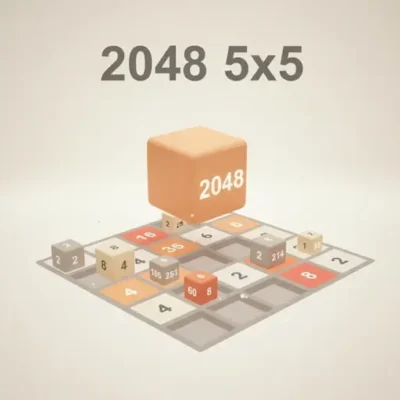
- Grid-based number puzzles like Sudoku and 2048 5×5 that reward pattern spotting.
- Block-fitting challenges such as Woodoku, 1010! Block Puzzle Game, Wood Block Puzzle, and 10×10 Classic.
- Color and liquid sorting brain teasers like Sort Master that test step-by-step planning.
- Sliding-block escapes where one wrong move locks you in.
- Tricky riddle games such as Brain Teaser that flip your assumptions sideways.
- No timers in most titles, so kids can think as long as they need.
How Logic Games Build Real-World Skills
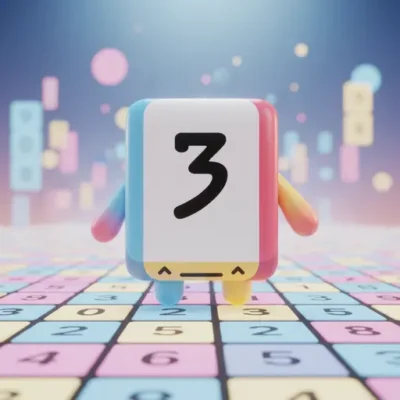
Every puzzle on this page is quietly teaching something useful. Sudoku trains working memory as kids hold candidate numbers in their head while testing each row. Sliding-block games like Unblock Me build spatial reasoning — the same skill that helps with geometry homework later. Sort Master and Emoji Sort Master reward planning ahead, because moving the wrong color first traps the rest. Brain Test puzzles push lateral thinking, asking kids to reread a question instead of guessing. Even the merging math in Threes and 2048 5×5 sneaks in mental arithmetic. Twenty calm minutes here beats twenty minutes of mindless scrolling.
Top Picks in Logic Games
If you’re new here, start with Woodoku — it blends Tetris-style block placement with Sudoku clearing rules, and one session usually turns into three. Brain Test: Tricky Puzzles throws short lateral-thinking riddles that make kids laugh and rethink the obvious answer. For something more meditative, Emoji Sort Master and Threes reward slow, deliberate choices. Older kids who like math should try 2048 5×5, a bigger version of the classic merging puzzle. These online logic games cover a wide range of difficulty, so younger players and tougher thinkers both find something that clicks.
Picking the Right Logic Game by Age
Younger players around 6 or 7 do best with simple color sorters like Liquid Sort or Emoji Sort Master. The rules click in seconds and one tap moves a piece. Kids 8 to 10 are ready for Woodoku, Wood Block Puzzle, and 10×10 Classic, where shapes need rotating in the mind first. Tweens 11 to 13 can handle full Sudoku grids, Unblock Me on harder stages, and the longer Brain Test chapters. Threes and 2048 5×5 suit anyone who enjoys quick math. When in doubt, start one notch easier — confidence keeps kids playing longer than frustration ever does.
Tips for Parents Sitting Beside Their Kids
Try asking “what happens if you move that one first?” instead of pointing at the answer. The pause lets kids test the move in their head, which is where the real learning lives. If a level stalls for more than a few minutes, suggest restarting rather than forcing a fix. Logic games are a great quiet activity for waiting rooms, long car rides, or wind-down time before bed. Because there are no ads mid-puzzle and no chat features, you can hand the tablet over without hovering.
Frequently Asked Questions
Are these logic games for kids really free?
Yes. Every title plays in your browser at no cost, with no account needed and no downloads required.
What age group are they best for?
Most suit ages 8 to 13, though younger siblings can manage simpler sorting puzzles with a little help.
Do logic puzzles actually help kids learn?
They build planning, pattern recognition, and patience. They’re not a substitute for schoolwork, but they’re a gentle workout for the same mental muscles.
What’s the difference between logic and puzzle games?
Puzzle is the broader umbrella. Brain logic games specifically focus on deduction and rule-based reasoning — no physics tricks, no reflex tests.
Do logic games work on phones and tablets?
Yes. Every game here runs in any modern browser on phones, tablets, Chromebooks, and computers. Tap controls work the same as mouse clicks.
How long should kids play in one sitting?
Fifteen to thirty minutes is a healthy stretch for most kids. Logic games are easy to pause, so it’s simple to stop after one solved level.
Ready to think it through? Browse the full collection below, or explore related sets like Puzzle, Brain, and Board games. Parents looking for more ideas can read our guide to brain games for kids.